SUCCESS STORY


One of the largest convenience and drug retailers in the U.S., Walgreens serves millions of shoppers every day across more than 8,000 locations and a fast-moving digital commerce experience. Whether customers are shopping for health, wellness, beauty, or everyday essentials, they expect product information to be accurate, complete, and easy to trust. Behind that experience, Walgreens navigates one of modern retail’s most complex and pervasive challenges: how to keep supplier data, product attributes, content assets, and quality checks moving accurately at massive scale across its digital shelves. By simplifying the path from supplier product creation to customer discovery, Walgreens reduced opportunities for error, accelerated speed to market, and helped shoppers find, evaluate, and purchase products with greater confidence.
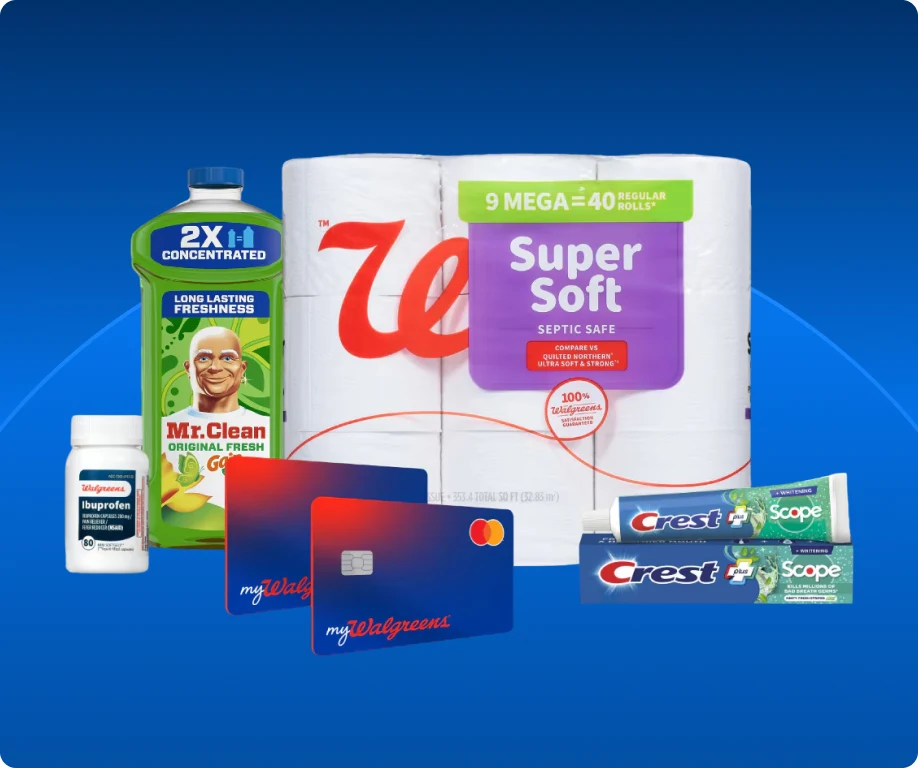
Walgreens operates at enormous scale.
Thousands of suppliers, countless products, and a digital commerce experience that must work seamlessly alongside one of the largest store networks in the country all contribute to an increasingly complex content ecosystem.
For Lily Tao, Senior Manager of Digital Merchant Operations and Content Excellence at Walgreens, that complexity shows up every day.
“It naturally becomes a web of communication, a web of information,” Tao said. “When you deal with the amount of suppliers we have and product data involved, information is constantly moving back and forth.”

At the same time, customer expectations are on the rise. Shoppers expect the same confidence online that they have standing in a store aisle. They want accurate product information, complete details, rich imagery, ingredient transparency, and the ability to quickly determine whether a product meets their needs. According to research from Syndigo’s State of Product Experience 2026, 83% are more likely to abandon a product page or an ecommerce site altogether if they can’t find all the information they want.
That demand elevated product content beyond an operational data concern. For Walgreens, it became a fundamental part of the customer experience and an essential way to support online revenue growth.
The importance of data quality becomes most obvious when something goes wrong.
Tao recounted an example from Walgreens’ previous content processes that perfectly illustrates the stakes of consistent, unified product data.
One product that should have appeared on Walgreens.com as a single bottle was incorrectly listed as a six-count package.
Customers who ordered it naturally expected six units to arrive. Instead, they received one.
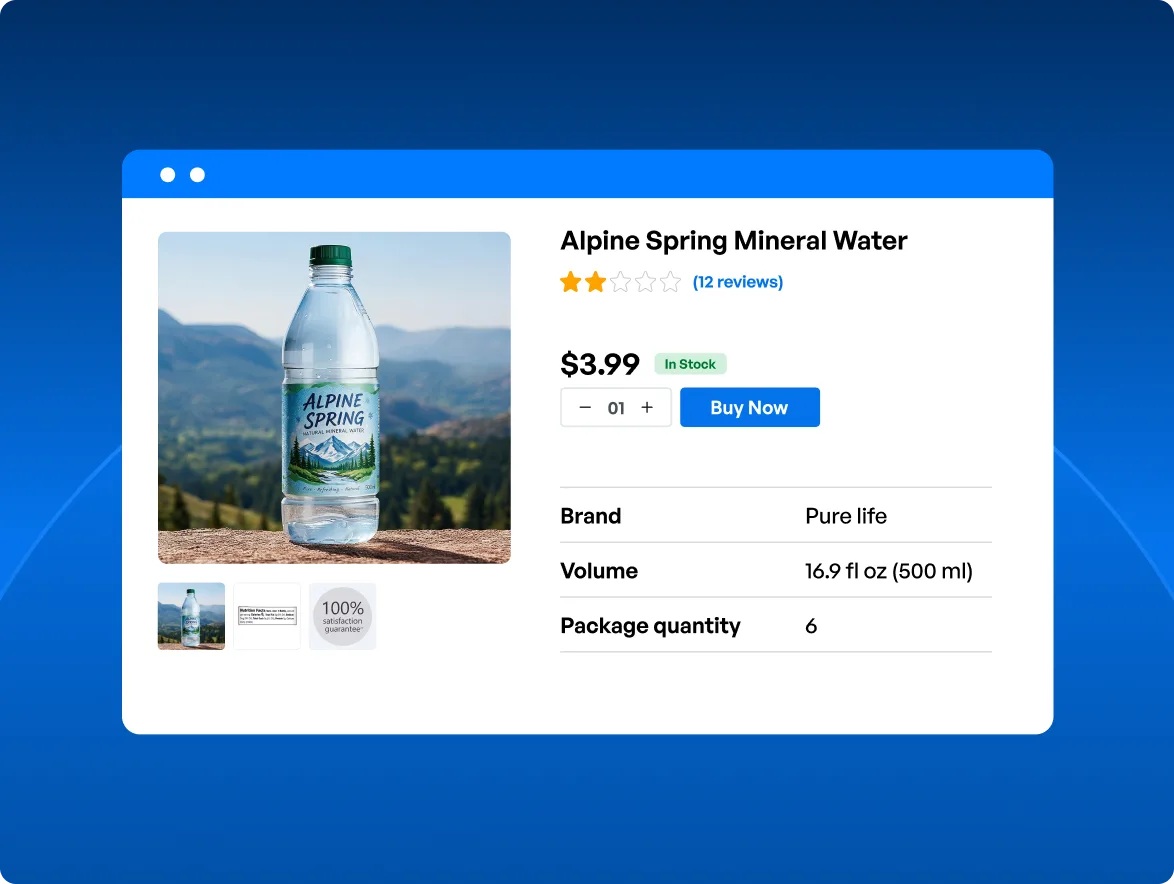

The mistake was caused by a simple inconsistency due to the fragmented way product records were built. Information moved through multiple systems and multiple handoffs before reaching the customer, creating opportunities for errors along the way.
From the shopper’s perspective, the cause hardly mattered. All they knew was that the product they received wasn’t what they expected.
This is a problem that consumers around the world run into: According to research in The State of Product Experience 2026, 32% of shoppers have recently been disappointed by a purchase because what they received didn’t match what they were led to expect online.
Fixing errors like this was a critical priority for the experience Walgreens wants to curate. “Why do customers need to be frustrated and face those types of issues when they’re shopping?” Tao said.
That example, and others like it, reinforced a key principle for Walgreens: the closer product information stays to the original source, the more confidence everyone can have in the result. They needed to reduce the points of failure.
As Walgreens prioritized enhancing its online shopping experience, one roadblock became increasingly intrusive.
As a retailer, Walgreens relies on its supplier community to submit accurate, compelling, comprehensive product content to populate PDPs (product detail pages) and power its commerce systems.
But in the process of creating item records and delivering essential product data, suppliers were often being asked to do the same work twice.
Product information flowed through traditional retail processes and then required additional effort to support digital commerce initiatives. The duplication created frustrating extra work and confusion for suppliers, and additional complexity for Walgreens teams trying to manage the information.
“We really wanted to see how we could lift that weight off of our suppliers,” Tao said. “How do we make their submission process smoother while capturing more information at the same time?”
The Walgreens team recognized that solving the problem meant building a better experience for the suppliers who ultimately serve as the essential source of product data.
That realization helped shape the company’s product content syndication strategy and led Walgreens to deepen its partnership with Syndigo as a way to make the supplier submission experience easier, more connected, and more scalable.
Walgreens already had internal systems supporting its digital operations. But as syndication conversations evolved, the company saw an opportunity to create a more connected operating model between Walgreens, suppliers, and product content.
Working closely with Syndigo, Walgreens established a dedicated vendor portal and content syndication channel designed to help suppliers submit information more efficiently while giving Walgreens greater control over the content quality, validation, and onboarding progress. The portal was customized for Walgreens’ specific needs, helping the retailer capture necessary supplier information and receive the right data in the right format for its systems.
Teams on both the retailer and brand sides gained visibility into where products were in the QA process. Suppliers can now see the status of their submissions and updates in real time. Walgreens teams, in turn, could access data from a more unified system and spend far less time hunting through spreadsheets, emails, and status requests.
“We can all see what’s happening through the portal,” Tao said. “That real-time efficiency is where things really started to improve.”
The result was a more collaborative approach that made it easier for suppliers and Walgreens to work toward a common goal: getting accurate, trusted content in front of customers faster.
Adoption of the new channel is growing steadily. Already, nearly a quarter of the total Walgreens digital catalog comes through the streamlined data delivery channel, including major suppliers like Unilever, Procter & Gamble, and Coca-Cola.
As the syndication process matured, Walgreens experienced measurable operational improvements.
Workflows were simplified, supplier participation increased, and QA performance improved significantly. Now, turnaround for QA that once took 49 days on average has been reduced to just 18 to 19 calendar days, bringing new products and updated content online in less than half the time.
“The machine started to become well-oiled,” Tao said. “We started seeing the speed and efficiency come through.”
Reducing frustrating duplicate work and improving transparency had the added benefit of warming supplier relationships. Instead of focusing on administrative tasks and process friction, Walgreens and its suppliers can spend more time collaborating on how to improve content and support better shopping experiences. “I felt more engagement, more discussion, more business partnership coming out of this,” Tao said. “That’s exactly what we wanted. We wanted to build that community with our suppliers.”
More accurate product data is only the beginning.
The company is also investing in richer ways to help customers discover and evaluate products online, using product pages to surface the context shoppers need to compare options, understand product benefits, and feel confident before they buy.
Rich media gives Walgreens more room to inform and guide shoppers beyond what fits on a package. Product detail pages (PDPs) can now include brand stories, detailed ingredient information, health and wellness attributes, videos, infographics, and product line overviews.
That additional context is especially important for discerning, health-conscious customers who need clear, complete information to make more informed decisions.
“We definitely see the difference between having that enhanced content and not having it,” Tao said.
This kind of content is becoming increasingly important as search and discovery behaviors evolve and shoppers rely on more signals to decide which products belong in their carts.
“Customers don’t know what they don’t know,” Tao said. “Having different places to surface information helps customers learn more about the products they’re considering.”
Walgreens views its syndication and content modernization efforts as part of a much larger journey.
The company is focused on creating best-in-class product data, improving discoverability, supporting omnichannel fulfillment strategies, and preparing for new ways consumers search, evaluate, and purchase products. From compliance to agentic commerce to supply chain optimization and customer support, a strong, accessible layer of product information gives Walgreens a head start on whatever comes next.
“We’re at the stage where we’re building foundational, best-in-class product data quality,” Tao said. “That’s the foundation for everything.”
By connecting suppliers more closely to the digital shelf, creating greater transparency throughout content workflows, and delivering richer information to customers, Walgreens is building a content ecosystem designed not just for today’s ecommerce environment, but for the future of commerce itself.